Happening Now : Second Af-STAG-DRR Symposium Concludes in Lusaka with Call to Integrate Science, Innovation, Citizen Science, and Indigenous Knowledge for a Resilient Africa – Lusaka, Zambia
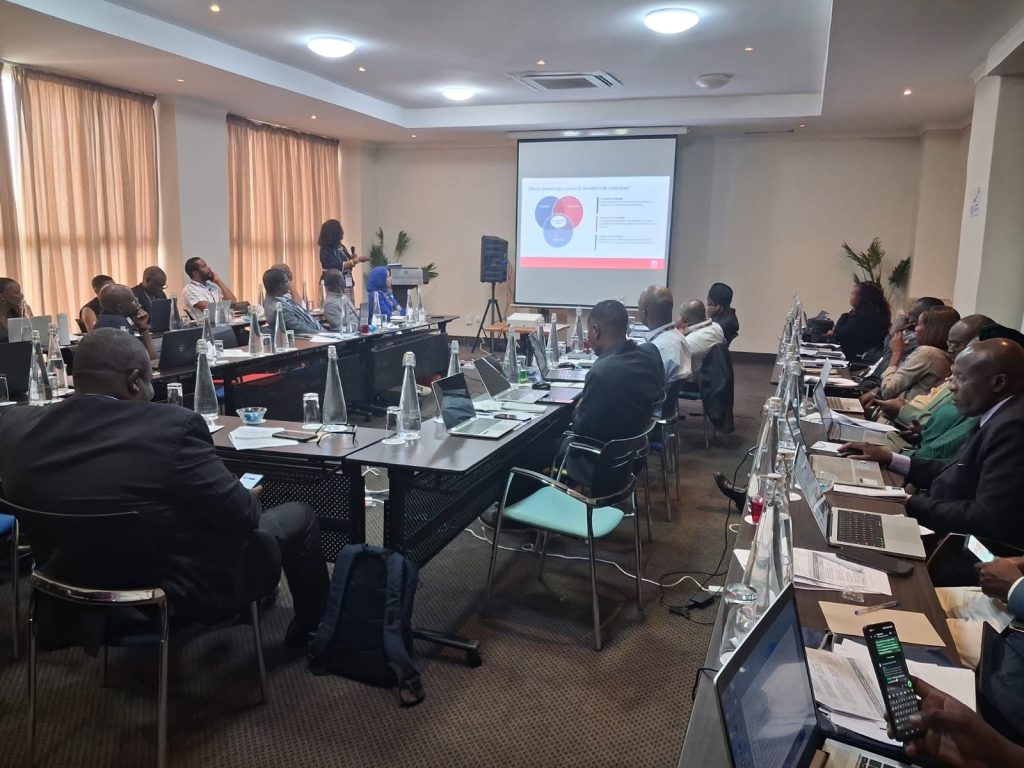
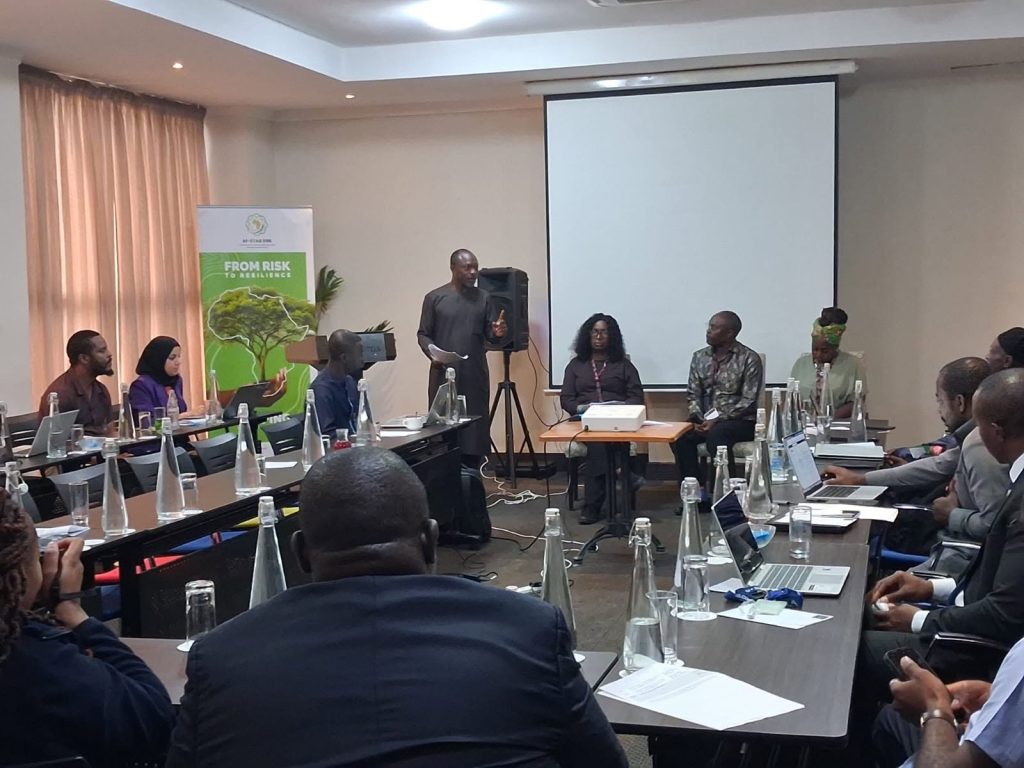
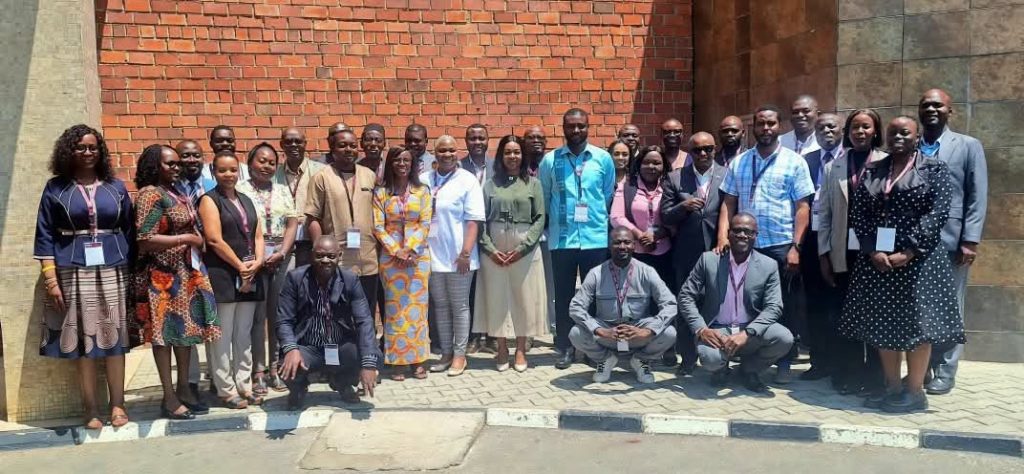
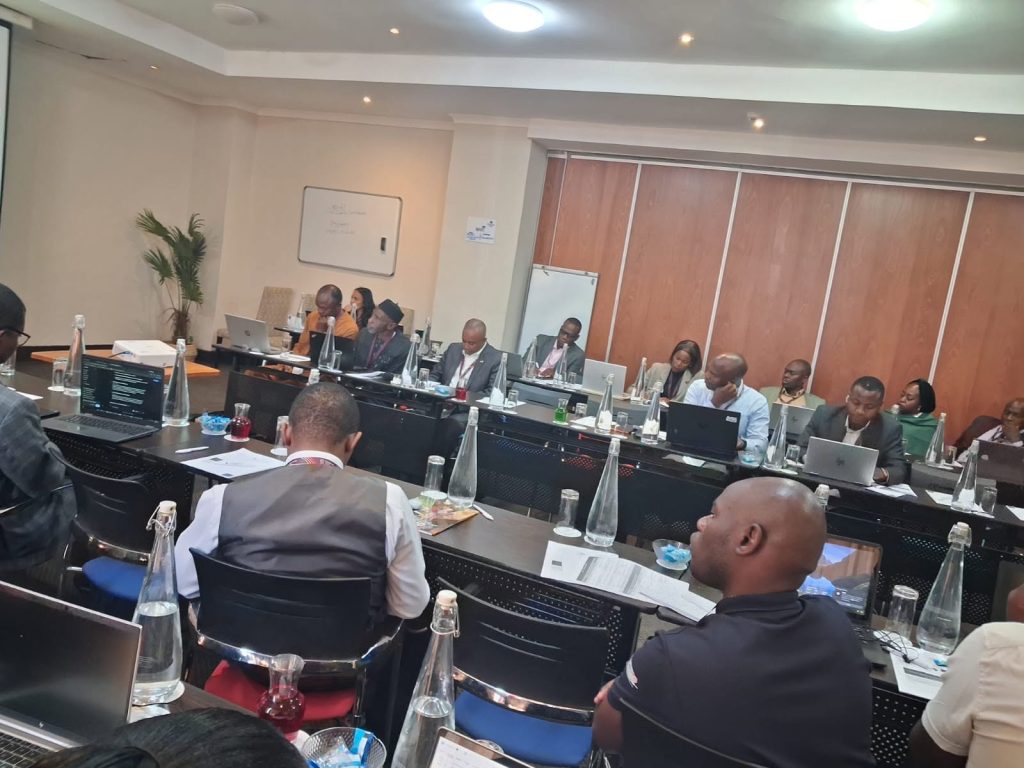
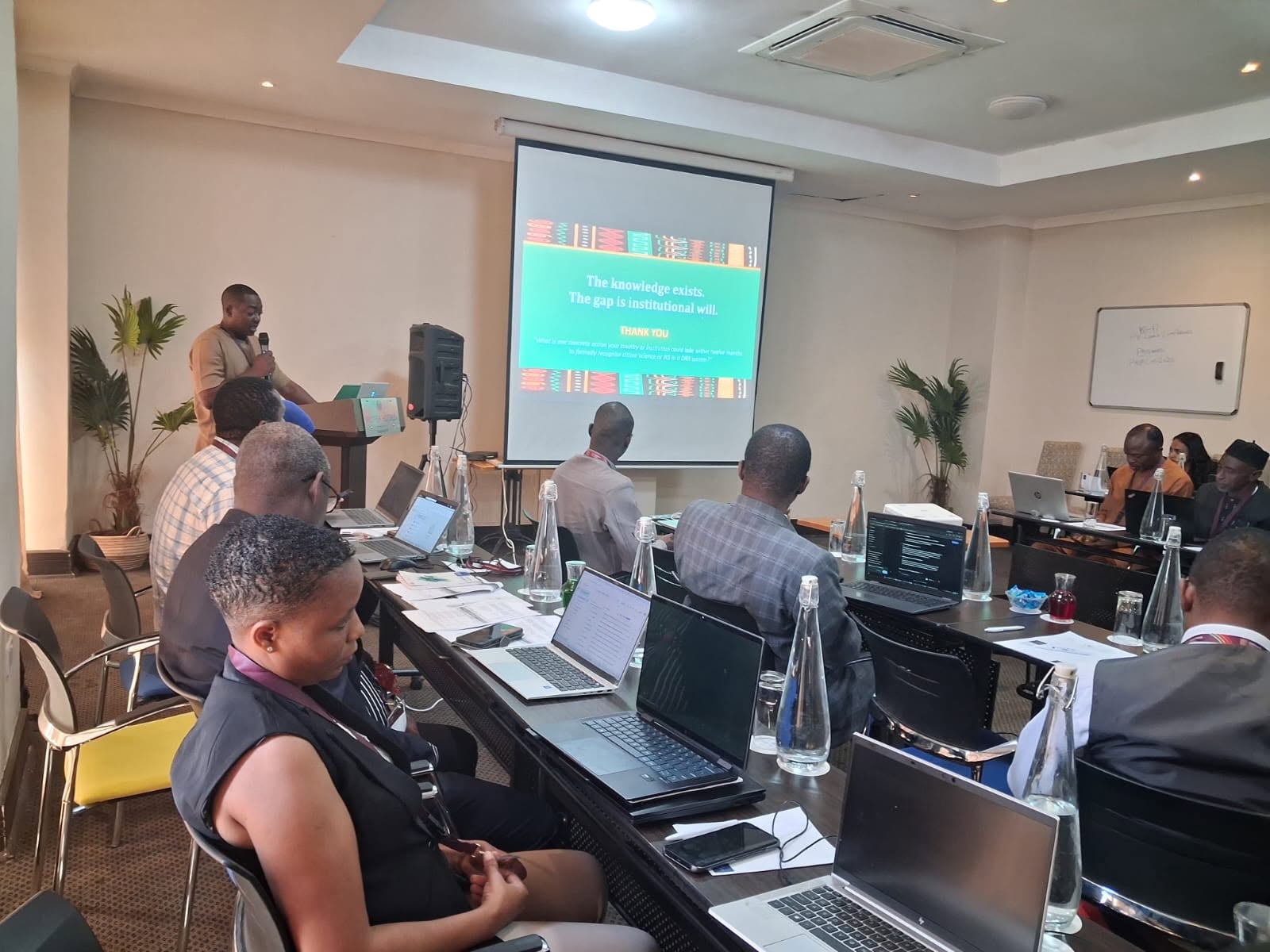
The Africa Science and Technology Advisory Group for Disaster Risk Reduction (Af-STAG-DRR) convened its Second Symposium in Lusaka, Zambia, on 10–11 November 2026. Held under the theme “Co-creating Resilient African Futures: Evidence-Based Development through Science, Innovation, Citizen Science, and Indigenous Knowledge,” the Symposium brought together researchers, policymakers, practitioners, and community representatives from across the continent to explore how science, innovation, citizen science, and Indigenous Knowledge Systems (IKS) can strengthen disaster risk reduction (DRR).
The Symposium reaffirmed that Africa’s resilience future lies in combining science, innovation, citizen science, and Indigenous Knowledge Systems.
Key Messages from the Symposium
- Citizen science and Indigenous Knowledge Systems are critical assets for disaster risk reduction and must be integrated into national and regional DRR frameworks.
- Early warning systems must go beyond forecasting to trigger timely early action, preparedness, and community response. Effective DRR depends on linking risk knowledge, monitoring, communication, and response capacities.
- Technology should complement, not replace, local knowledge. Artificial intelligence, Earth observation, drones, low-cost sensors, and citizen reporting offer transformative opportunities when combined with community expertise and accessible communication systems.
- African countries need stronger domestic financing and institutional ownership to sustain citizen science, Indigenous Knowledge Systems, and disaster resilience initiatives beyond short-term projects.
- Women, youth, and Indigenous Knowledge custodians must be empowered as decision-makers, not merely data providers. Inclusive governance is fundamental to effective and equitable resilience building.
- Trust, ethics, and data governance matter. Community knowledge should be documented, validated, and protected through systems that respect consent, ownership, cultural values, and data sovereignty.
- Climate-sensitive health risks, mental health, resilient infrastructure, and nature-based solutions must be integrated into disaster risk management. Prevention is more effective and cost-efficient than repeated emergency response.
- Regional cooperation and African-led innovation are essential. Countries should share knowledge, strengthen institutional capacity, and scale successful community-based resilience approaches across the continent.
As Africa faces increasingly complex disaster risks, building resilience will require stronger partnerships between science, policy, communities, and Indigenous knowledge holders. Participants called for stronger links between early warning and early action, greater investment in locally led resilience, inclusive participation of women, youth, persons living with disabilities, and marginalized communities, responsible use of emerging technologies, and stronger African cooperation to transform knowledge into action for safer and more resilient communities.